You know the routine. You strap on the mask, adjust the hose, listen to the machine hum to life, and lie there hoping tonight is the night it finally feels normal. For some people, it does. For many others, the mask shifts, the air pressure feels suffocating, and somewhere around 2 a.m., the whole thing comes off.
CPAP therapy is clinically effective. That is not in question. The problem is that a treatment only works when patients actually use it, and real-world CPAP compliance is a well-documented challenge. A significant portion of patients reduce their usage or abandon the machine entirely within the first year.
So if CPAP is not working for you, what actually is the best alternative to a CPAP machine? For most patients with mild to moderate obstructive sleep apnea, the answer is custom oral appliance therapy.
In this post, you’ll learn:
- Why so many patients look for CPAP alternatives
- What any effective alternative must actually do
- How custom oral appliances work and who may be a good candidate
- What the process looks like at Breathe While You Sleep Wellness Center
Why So Many Patients Look for CPAP Alternative
The reasons are familiar. Mask discomfort and skin irritation top the list, followed closely by claustrophobia, the noise of the motor disturbing a bed partner, forced air pressure that feels unnatural, and the sheer inconvenience of traveling with the equipment.
CPAP is not a bad treatment. For patients with severe OSA, it remains the standard of care. But for patients with mild to moderate sleep apnea, the compliance problem is real, and a treatment that sits unused on the nightstand is not protecting anyone’s health.
What Makes a CPAP Alternative Actually Work
Comfort alone is not enough. Any legitimate alternative to CPAP for sleep apnea has to do the same fundamental job: keep the airway open during sleep and reduce apnea events to a clinically meaningful degree.
That is the bar. And it is why most over-the-counter snoring devices do not qualify. They may reduce noise, but they are not designed or tested to manage obstructive sleep apnea as a medical condition.
Custom oral appliance therapy clears that bar. The clinical evidence supports it, and for the right patients, it does so with compliance rates that CPAP rarely achieves in practice.
Oral Appliance Therapy: The Leading CPAP Alternative
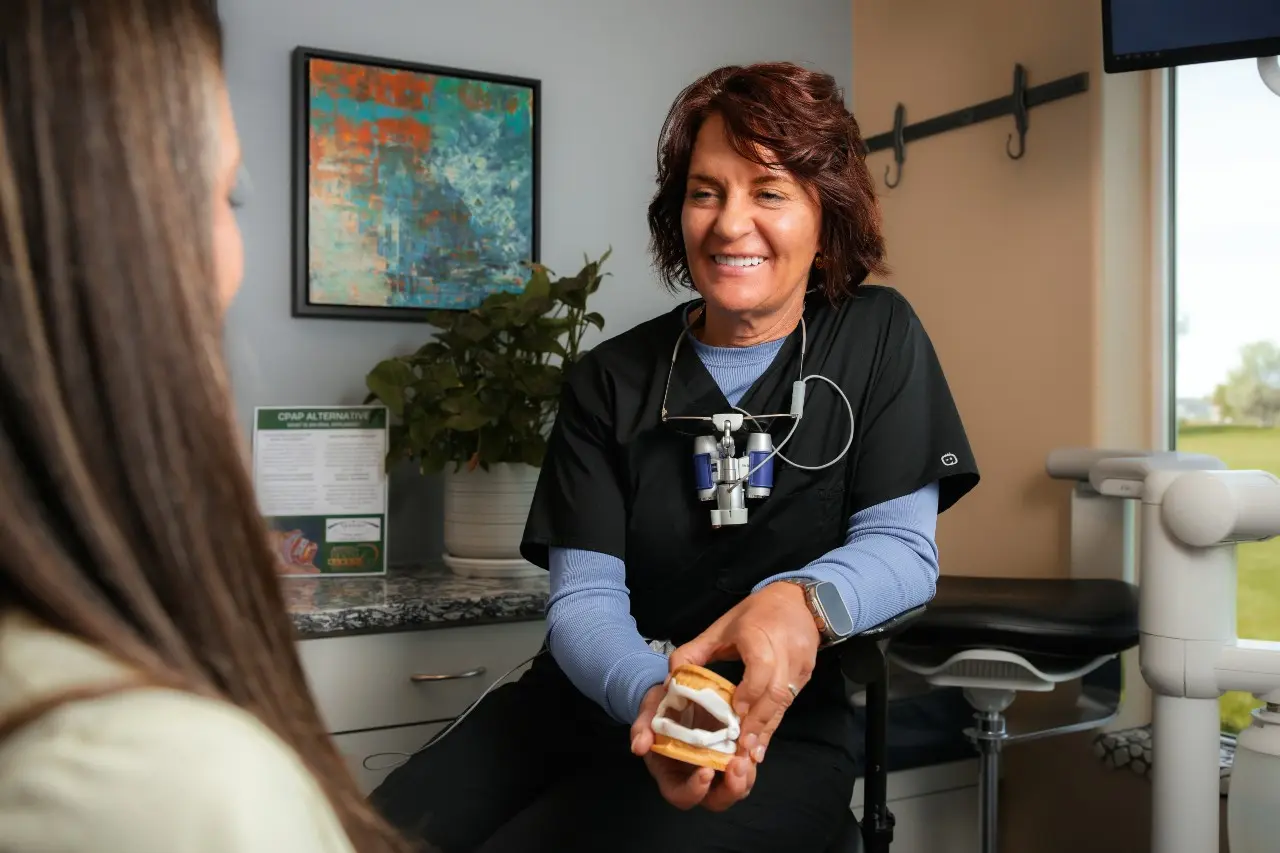
A custom oral appliance is a precision-fitted dental device prescribed by a sleep specialist and crafted by a qualified dentist. It is not a generic boil-and-bite product. It is a medical device engineered to address a specific physiological problem.
There are two primary types. Mandibular Advancement Devices (MADs) are the most common and work similarly to a sports mouthguard or orthodontic retainer in appearance. Tongue Retaining Devices hold the tongue forward to prevent it from collapsing into the airway. MADs are the more widely used option and the type most patients receive.
The mechanism is straightforward. The device gently advances your lower jaw slightly forward. Because your tongue and the soft tissues of your throat connect to your lower jaw, that forward positioning naturally tightens those tissues and keeps your airway open. Your body maintains the open airway on its own, without any forced air pressure. No motor, no mask, no hose.
Effectiveness: Does Oral Appliance Therapy Actually Work?
For patients with mild to moderate OSA, the clinical data is encouraging. Oral appliance therapy has an efficacy rate of approximately 75 to 80 percent for significantly reducing apnea events. That is a meaningful result for most patients in this category.
CPAP is theoretically 100 percent effective at keeping the airway open when worn correctly. The operative phrase is “when worn.” Because compliance with oral appliances frequently exceeds 85 percent of nights used, many patients see better long-term health outcomes from a device they actually wear consistently than from a machine they tolerate inconsistently.
Outcomes vary by individual. Oral appliance therapy may help reduce apnea events, improve sleep quality, and support cardiovascular health for many patients, but results depend on the severity of your condition, your anatomy, and how well the device is fitted and adjusted over time.
Who May Be a Good Candidate
Oral appliances are not appropriate for every patient, and a proper evaluation is required before starting treatment. That said, several groups tend to respond particularly well.
Patients with mild to moderate OSA are the primary indicated group. Clinical guidelines recommend oral appliances as a first-line treatment option for this population. Patients who are CPAP-intolerant — those who find the mask uncomfortable, experience claustrophobia, or have already abandoned the machine — are often strong candidates. Patients with positional sleep apnea or a naturally recessed lower jaw frequently see excellent results. And for frequent travelers or anyone whose lifestyle makes carrying CPAP equipment impractical, a small, portable oral appliance is a practical solution.
A sleep study and a comprehensive evaluation are necessary to confirm whether oral appliance therapy is appropriate for your specific situation.
What the Process Looks Like at Breathe While You Sleep
Getting started with oral appliance therapy at Breathe While You Sleep Wellness Center involves five straightforward steps.
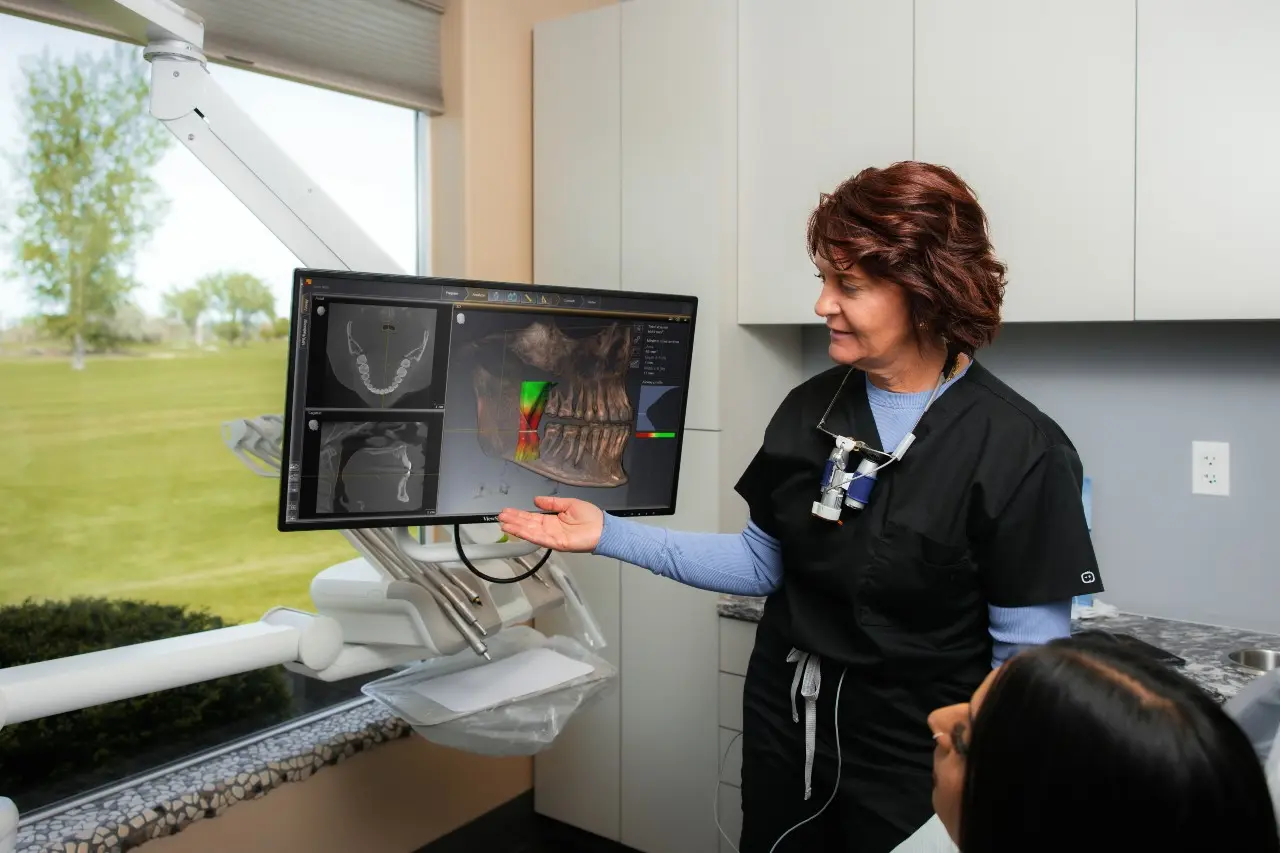
- Initial Evaluation: Your sleep study data, upper airway, and jaw joints are reviewed to establish a baseline.
- Digital Impressions: Highly accurate digital impressions of your teeth are taken to ensure a precise fit.
- Custom Fabrication: Your data is sent to a specialized laboratory where your device is built to your exact specifications.
- Fitting and Fine-Tuning: The device is fitted to your mouth, and you are taught how to gradually adjust the jaw advancement for maximum comfort and airway opening.
- Follow-Up Care: Follow-up evaluations, often including a home sleep test, confirm that your sleep apnea is being effectively managed.
Throughout the process, the team at Breathe While You Sleep works collaboratively with your medical providers, corresponding and coordinating care at every stage. As a courtesy, the practice also verifies and bills your medical insurance directly.
Why Breathe While You Sleep Wellness Center
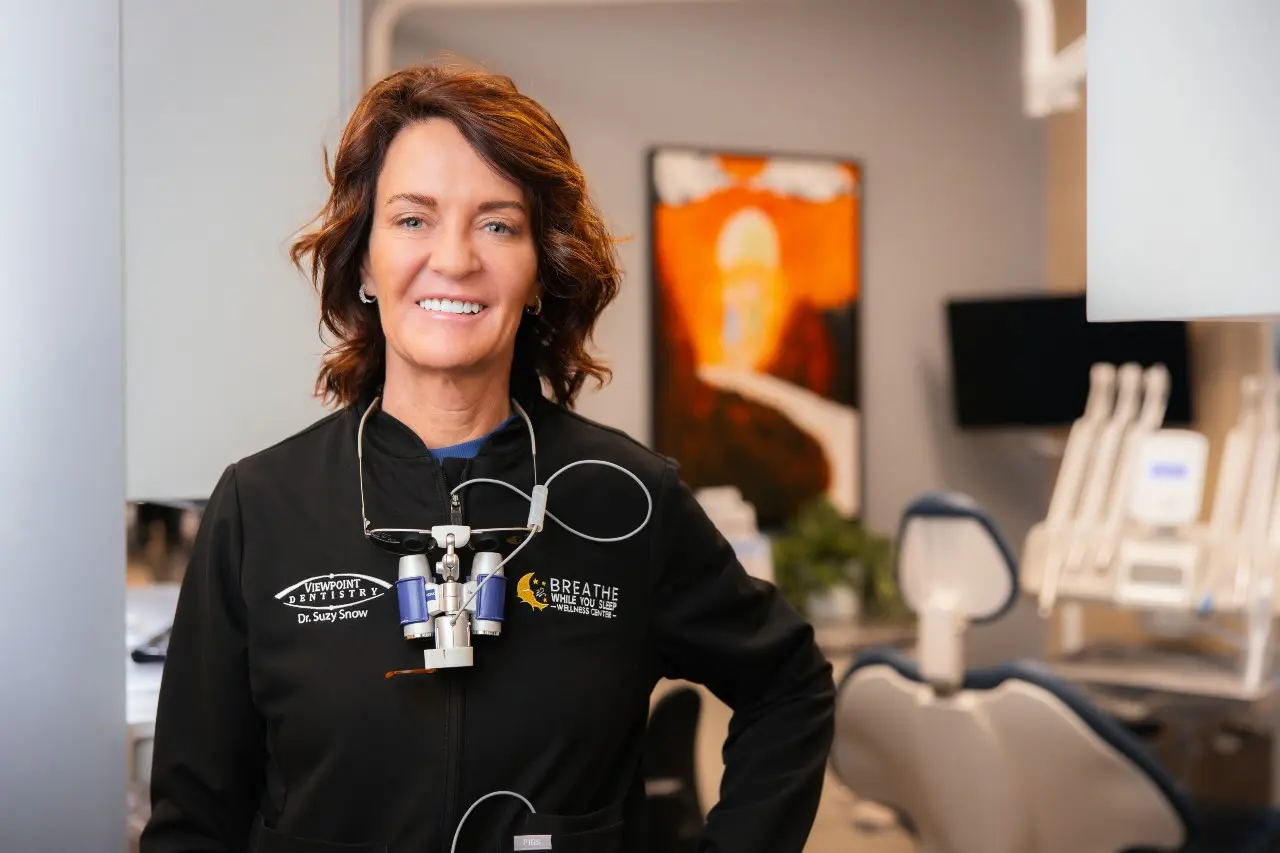
Treating sleep apnea requires more than a device. It requires a provider who understands the structural mechanics of the airway, the nuances of jaw positioning, and how to track clinical outcomes over time.
Dr. Snow has completed advanced training in dental sleep medicine and holds diplomate status with the American Board of Dental Sleep Medicine. The practice specializes in evidence-based CPAP alternatives, with a focus on structural airway evaluation, jaw mechanics, and long-term outcome monitoring.
The collaborative care model means you are never navigating this alone. Your primary care physician, sleep specialist, and the Breathe While You Sleep team stay in communication throughout your treatment.
Ready to Find a CPAP Alternative That Works for You?
For many patients with mild to moderate OSA who cannot tolerate CPAP, a custom oral appliance is the best-supported alternative available. It is quiet, portable, and designed to work with your body rather than against it.
Contact Breathe While You Sleep today to schedule a comprehensive evaluation and find out whether oral appliance therapy is right for you. Call us or visit our website to get started.